
INDIAN TEMPLES
India is known as the land of spirituality, culture, and ancient traditions, and one of the most important symbols of its rich heritage is its magnificent religious temples. These temples are not only places of worship but also centers of art, architecture, history, and devotion. From the snow-covered Himalayas to the southern coastal regions, India is filled with thousands of temples that attract millions of devotees and tourists every year..
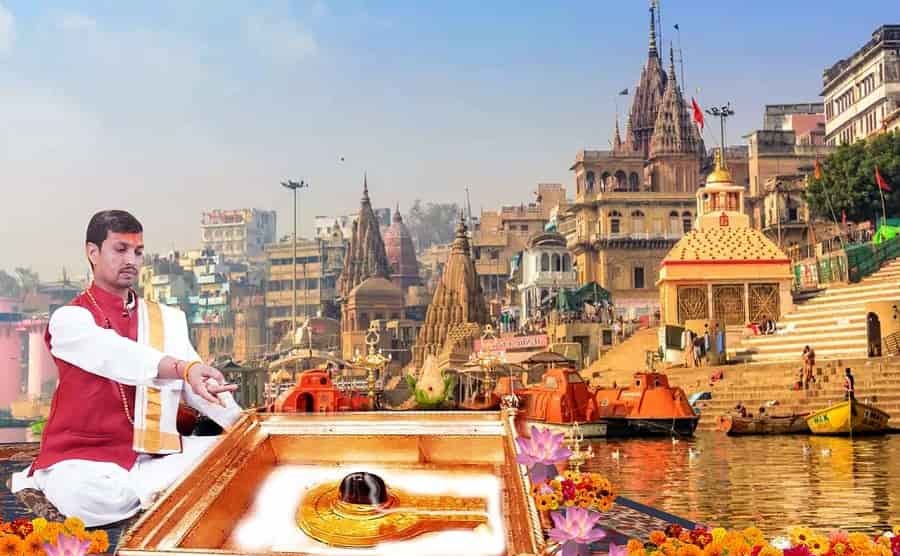
One of the most famous temples in India is Kashi Vishwanath Temple, located in Varanasi, Uttar Pradesh. Dedicated to Lord Shiva, this temple is considered one of the twelve Jyotirlingas and holds immense importance in Hinduism. Devotees believe that visiting this temple and offering prayers can lead to spiritual liberation (moksha). The temple is situated on the banks of the sacred Ganga River, which adds to its divine significance.
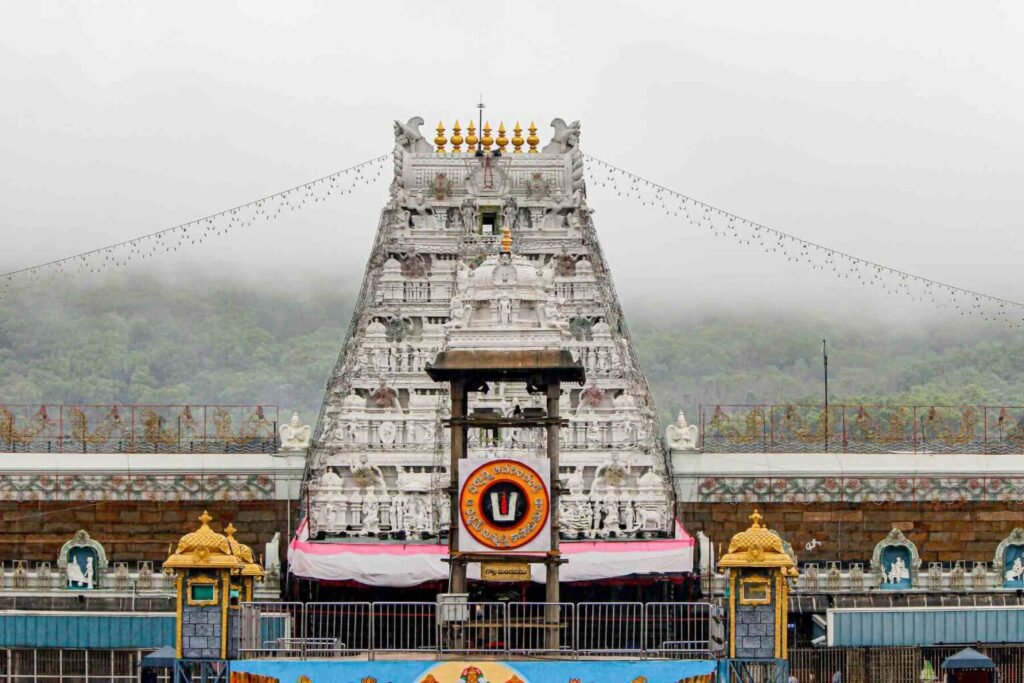
Another highly sacred temple is Tirupati Balaji Temple in Andhra Pradesh. This temple is dedicated to Lord Venkateswara, a form of Lord Vishnu, and is one of the richest and most visited temples in the world. Millions of devotees visit the temple every year and offer their hair as a mark of devotion. The temple is located on the Tirumala hills and is known for its grand architecture and strict rituals.
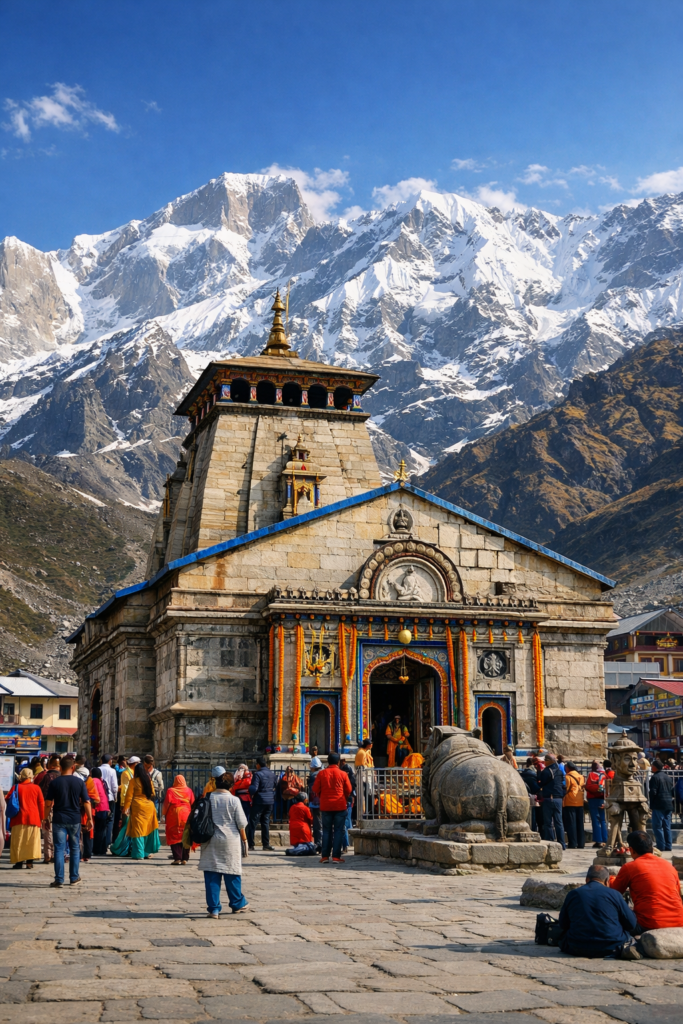
.In northern India, Kedarnath Temple is one of the most important pilgrimage sites for Hindus. Situated in the Himalayas, this temple is also dedicated to Lord Shiva and is part of the Char Dham Yatra. Due to its high altitude and beautiful surroundings, the temple remains open only for a few months each year. Despite harsh weather conditions, thousands of pilgrims travel long distances to seek blessings.
One of the most iconic temples in eastern India is Jagannath Temple in Odisha. This temple is famous for the grand Rath Yatra (chariot festival), where the deities Lord Jagannath, Balabhadra, and Subhadra are taken out in massive chariots. The temple’s unique traditions and rituals make it different from other temples in India, and it holds great cultural and religious value.
Moving towards South India, the Meenakshi Amman Temple in Tamil Nadu is a masterpiece of Dravidian architecture. Dedicated to Goddess Meenakshi and Lord Sundareswarar (Shiva), this temple is known for its colorful towers (gopurams), detailed carvings, and massive temple complex. It is not only a religious center but also a symbol of Tamil culture and art.
Kashi Vishwanath Temple (Uttar Pradesh)
One of the holiest temples in India is Kashi Vishwanath Temple, located in the ancient city of Varanasi. This temple is dedicated to Lord Shiva and is one of the twelve Jyotirlingas, which are considered the most sacred forms of Shiva. Situated on the banks of the River Ganga, the temple holds immense importance in Hindu belief. Devotees believe that visiting this temple can help them attain moksha (liberation from the cycle of birth and death). The temple has been rebuilt several times throughout history and remains a powerful spiritual center.
Tirupati Balaji Temple (Andhra Pradesh)
Tirupati Balaji Temple, also known as Sri Venkateswara Temple, is one of the richest and most visited temples in the world. It is located on the Tirumala hills in Andhra Pradesh and is dedicated to Lord Venkateswara, an incarnation of Lord Vishnu. Devotees from all over the world visit this temple and offer donations, hair offerings, and prayers. The temple follows strict rituals and has a very organized darshan system due to the heavy crowd of pilgrims.
Kedarnath Temple (Uttarakhand)
Located in the Himalayan region, Kedarnath Temple is one of the most important temples dedicated to Lord Shiva. It is also part of the Char Dham Yatra and the Panch Kedar pilgrimage. The temple stands at a high altitude near the Mandakini River and is surrounded by snow-covered mountains. Due to extreme weather, the temple remains open only from April to November. Its spiritual atmosphere and scenic beauty attract thousands of devotees and trekkers.
Badrinath Temple (Uttarakhand)
Badrinath Temple is another major temple in the Char Dham pilgrimage circuit. Dedicated to Lord Vishnu, this temple is located between the Nar and Narayan mountain ranges along the Alaknanda River. It is believed that Adi Shankaracharya re-established the temple in the 8th century. The temple’s colorful façade and peaceful surroundings make it one of the most sacred pilgrimage sites in India.
5. Jagannath Temple (Odisha)
Jagannath Temple in Puri is one of the most famous temples in eastern India. It is dedicated to Lord Jagannath (a form of Lord Krishna), along with his siblings Balabhadra and Subhadra. The temple is especially known for the grand Rath Yatra festival, where huge chariots carry the deities through the streets of Puri. This festival attracts millions of devotees and tourists every year.
6. Meenakshi Amman Temple (Tamil Nadu)
Meenakshi Amman Temple is a stunning example of Dravidian architecture located in Madurai, Tamil Nadu. The temple is dedicated to Goddess Meenakshi and Lord Sundareswarar (Shiva). It is famous for its colorful gopurams (towers), intricate sculptures, and large temple complex. The temple also hosts grand festivals such as Meenakshi Thirukalyanam, which celebrates the divine marriage of the deities.
7. Ramanathaswamy Temple (Tamil Nadu)
Ramanathaswamy Temple is one of the twelve Jyotirlinga temples and is closely associated with the Ramayana. It is believed that Lord Rama worshipped Lord Shiva here to seek forgiveness after the war in Lanka. The temple is famous for its long corridors, sacred wells (theerthams), and spiritual significance in the Char Dham Yatra.
8. Somnath Temple (Gujarat)
Somnath Temple is one of the oldest and most sacred Shiva temples in India. Located near the Arabian Sea in Gujarat, it is the first among the twelve Jyotirlingas. The temple has a long history of destruction and reconstruction, symbolizing faith and resilience. Its grand architecture and seaside location make it a major pilgrimage destination.
9. Vaishno Devi Temple (Jammu & Kashmir)
Vaishno Devi Temple is one of the most visited pilgrimage sites in India. Dedicated to Goddess Vaishno Devi, the temple is located in a cave in the Trikuta Mountains. Devotees undertake a trek of around 12–13 km from Katra to reach the shrine. The journey is considered sacred, and millions of pilgrims visit every year with deep devotion.
10. Akshardham Temple (Delhi)
Akshardham Temple in New Delhi is a modern temple known for its magnificent architecture, exhibitions, and cultural displays. Built by the BAPS Swaminarayan Sanstha, the temple showcases Indian traditions, values, and spirituality through carvings, gardens, and light shows. It is a popular tourist attraction as well as a religious center.
11. Golden Temple (Punjab)
Golden Temple, also known as Harmandir Sahib, is the holiest shrine of Sikhism located in Amritsar, Punjab. The temple is covered in gold and surrounded by the sacred Amrit Sarovar (holy tank). It welcomes people of all religions and is famous for its Langar service, where free meals are served to thousands of visitors daily.
12. Shirdi Sai Baba Temple (Maharashtra)
Shirdi Sai Baba Temple is dedicated to Sai Baba, a revered spiritual saint. Located in Maharashtra, this temple attracts millions of devotees from different religions. Sai Baba’s teachings of love, faith, and humanity make this temple a symbol of unity and peace.
Importance of Temples in Indian Culture
Temples in India are not just religious buildings; they are centers of culture, education, and social unity. Ancient temples were built by great dynasties like the Cholas, Guptas, and Pallavas, showcasing advanced architecture and sculpture. Temple walls often depict stories from sacred texts like the Ramayana and Mahabharata.
Temples also play an important role in festivals such as Diwali, Navratri, Janmashtami, and Rath Yatra. During these festivals, temples are beautifully decorated, and special prayers and rituals are performed. Music, dance, and devotional singing (bhajans and kirtans) are also an important part of temple traditions.
Conclusion
India’s temples represent the country’s spiritual depth, architectural brilliance, and cultural richness. From ancient Himalayan shrines to grand South Indian temple complexes, each temple has its own history, mythology, and significance. These sacred places not only provide spiritual peace but also preserve India’s heritage and traditions for future generations. Visiting famous temples in India is a deeply enriching experience that connects people with faith, history, and culture.